
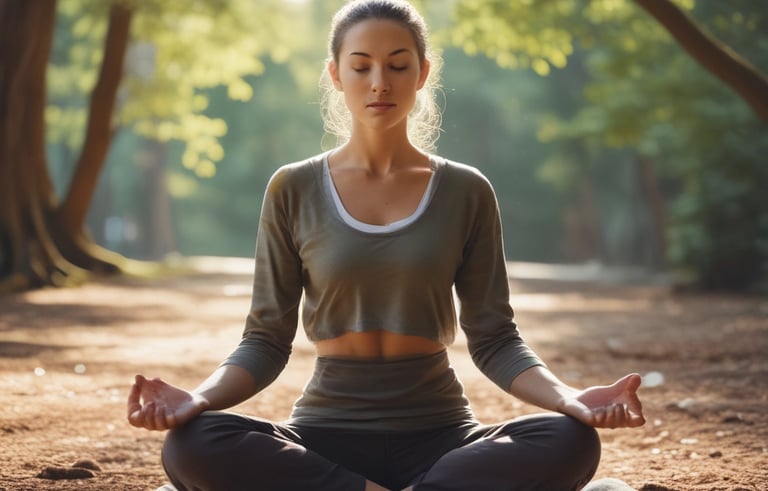

Meditation is an ancient practice that has been embraced by various cultures and religions for millennia, dating back as early as 3000 BCE. The earliest documented records found in the ancient Indian Vedas, are around 1500 BCE.
Meditation, It has moved into the social & scientific mainstream worldwide, due to its worldwide for its profound impact on mental, emotional, and physical well-being. In today's fast-paced world, the benefits of meditation have gained renewed attention, offering individuals a sanctuary of peace and a pathway to personal growth.
Meditation
Meditation can be defined as a practice where an individual uses a technique – such as mindfulness, or focusing the mind on a particular object, thought, or activity – to train attention and awareness, and achieve a mentally clear and emotionally calm and stable state. It encompasses various methods, each offering its unique benefits, but all share the common goal of enhancing mindfulness and self-awareness.
The techniques are designed to promote relaxation, build internal energy, and develop compassion, love, patience, generosity, and forgiveness. Meditation enables individuals to cultivate a sense of inner peace and balance, essential for overall well-being.
Meditation also trains the mind to stay present, which can significantly enhance focus and concentration. This improved mental clarity, and heightened concentration leads to better problem-solving skills and increased productivity.
The Nature of Meditation
One of the primary goals of meditation is to achieve mental clarity. By focusing the mind and eliminating distractions, meditation allows individuals to access a clearer state of consciousness. This clarity is crucial for making thoughtful decisions, understanding oneself, and navigating life's complexities
Mental Clarity
Meditation provides
Emotional Stability
Meditation helps in stabilizing emotions. It teaches individuals how to observe their thoughts and feelings without reacting impulsively, leading to a more balanced and tranquil emotional state. This stability enhances one's ability to handle stress, anxiety, and other negative emotions.
Spiritual Connection
Meditation is a means of connecting to a higher power or exploring existential questions. It can provide a sense of purpose and belonging, fostering a deeper connection to something greater than oneself. This spiritual aspect can be a source of immense inner strength and peace.
Personal Growth
Meditation is often seen as a path to personal evolution. It aids in self-discovery, helping individuals understand their desires, values, and purpose. This self-awareness is crucial for personal development, enabling individuals to lead more authentic and fulfilling lives.
Benefits of Meditation
The practice of meditation offers a wide array of benefits that can significantly enhance an individual's quality of life.
Meditation is more than just a practice; it is a pathway to holistic well-being and personal evolution. By fostering mindfulness, self-awareness, and emotional balance, meditation serves as a powerful tool for unlocking one's fullest potential and leading a balanced, compassionate and fulfilling life. It facilitates a spiritual journey and personal growth, providing transformative powers for those who embrace it.
Mental Benefits
Enhanced Focus and Concentration: Regular meditation practice improves attention span and cognitive function, leading to better performance at work, fostering clarity of thought, helping individuals to develop greater mental resilience.
Reduced Stress and Anxiety: Meditation diminishes incessant chatter of thoughts lowering cortisol levels, the stress hormone, thereby reducing stress and anxiety. It promotes relaxation and a sense of calm.
Increased Emotional Intelligence: By fostering self-awareness and mindfulness, meditation enhances one's ability to understand and manage emotions, leading to improved relationships and social interactions.
Mental
Enhanced Focus and Concentration: Regular meditation practice improves attention span and cognitive function, leading to better performance at work, fostering clarity of thought, helping individuals to develop greater mental resilience.
Reduced Stress and Anxiety: Meditation diminishes incessant chatter of thoughts lowering cortisol levels, the stress hormone, thereby reducing stress and anxiety. It promotes relaxation and a sense of calm.
Increased Emotional Intelligence: By fostering self-awareness and mindfulness, meditation enhances one's ability to understand and manage emotions, leading to improved relationships and social interactions.
Emotional
Improved Mood: Meditation can increase the production of serotonin, a neurotransmitter associated with happiness and well-being, leading to a more positive mood.
Greater Resilience: Regular meditation practice builds mental and emotional resilience, helping individuals better cope with life's challenges.
Enhanced Compassion: Practices like loving-kindness meditation cultivate empathy and compassion, fostering a sense of connection and kindness towards others.
Physical
Better Sleep: Meditation can improve sleep quality by promoting relaxation and reducing insomnia.
Stress Reduction: One of the most celebrated benefits of meditation is its ability to reduce stress. By calming the mind and promoting relaxation, meditation helps lower cortisol levels, the body's primary stress hormone.
Lower Blood Pressure: Meditation helps in reducing blood pressure by relaxing the body and calming the mind, reducing the risk of hypertension and heart disease.
Improved Immune Function: By reducing stress and promoting relaxation, meditation supports the immune system, making individuals more resilient to illnesses and infections. This reduction in stress not only enhances mental health but also contributes to better physical health.

Emotional Benefits
Meditation fosters emotional well-being by encouraging self-awareness and emotional regulation. It provides a space for individuals to observe their emotions without judgment, leading to a deeper understanding of their emotional patterns. This heightened awareness helps individuals manage their reactions and cultivate a sense of inner peace.
Improved Emotional Regulation
Through meditation, individuals learn to respond rather than react to emotional stimuli. This improved emotional regulation allows for healthier interpersonal relationships and a more balanced emotional life. By observing emotions without becoming overwhelmed, individuals can address emotional challenges with a calm and balanced approach.
Increased Compassion and Empathy
Meditation often includes practices such as loving-kindness meditation, which promotes compassion and empathy towards oneself and others. This nurturing of positive emotions enhances social connections and fosters a sense of community and belonging. Individuals who meditate regularly report feeling more connected to others and more attuned to the needs and feelings of those around them.

Physical Benefits
The physical benefits of meditation are numerous and well-documented. Regular practice can lead to improvements in various bodily functions, contributing to overall health and longevity.
Enhanced Immune Function
By reducing stress and promoting relaxation, meditation supports the immune system. Lower stress levels are associated with improved immune function, making individuals more resilient to illnesses and infections.
Personal Evolution
Meditation is a catalyst for personal evolution, offering a pathway to deeper self-understanding and personal growth. By fostering mindfulness and self-awareness, meditation helps individuals connect with their true selves and unlock their full potential.
Self-Discovery
Meditation provides a space for introspection, allowing individuals to explore their inner world and discover their true desires, values, and purpose. This process of self-discovery is essential for personal evolution, as it leads to a more authentic and fulfilling life.
Increased Resilience
Regular meditation practice builds mental and emotional resilience, equipping individuals with the tools to handle life's challenges with grace and strength. This resilience is crucial for personal evolution, as it allows individuals to grow and adapt in the face of adversity

Spiritual Benefits
For many, meditation is a spiritual practice that connects them to a higher power or deeper sense of purpose. This spiritual growth fosters a sense of inner peace and fulfillment, contributing to overall well-being and personal evolution.
In conclusion, meditation offers a multitude of benefits that contribute to the mental, emotional, and physical well-being of individuals. By fostering mindfulness, self-awareness, and emotional regulation, meditation serves as a powerful tool for personal evolution, helping individuals to unlock their fullest potential and lead a more balanced and fulfilling life.
Contact
Tel: +1 (647) 332-3770
© 2023 by Mindscapes Academy. All rights reserved.
Email: info@mindscapesacademy.ca