
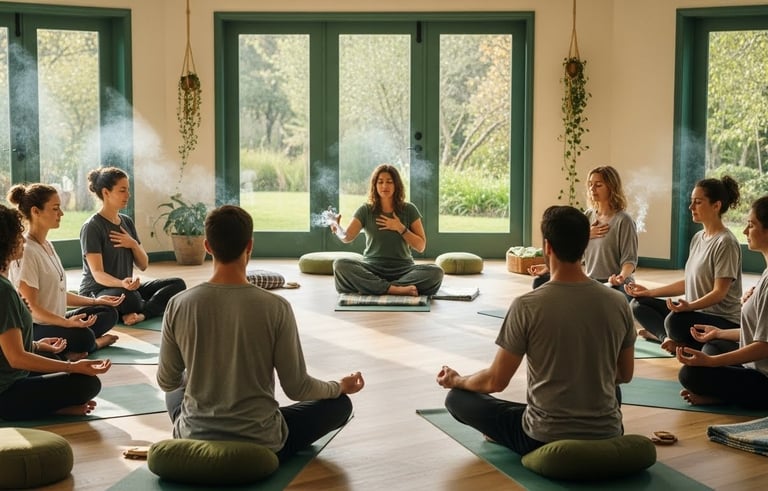
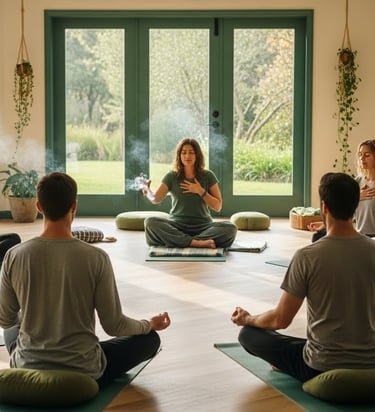
The term "breathwork" refers to a variety of conscious breathing exercises meant to enhance mental, physical, and emotional health. Many cultures have used breathwork in a variety of ways throughout history, realizing its transformative and restorative potential.
The Power of Conscious Breathing


Pranayama is an ancient yogic practice originating from India. It involves controlling the breath to achieve balance and harmony within the body and mind. Common pranayama techniques include:
· Nadi Shodhana (Alternate Nostril Breathing): This technique helps to balance the left and right hemispheres of the brain, promoting calmness and mental clarity.
· Kapalabhati (Skull Shining Breath): A rapid breathing exercise that energizes and cleanses the respiratory system.
· Bhramari (Bee Breath): A practice that involves humming, which soothes the nervous system and reduces stress.
1. Pranayama
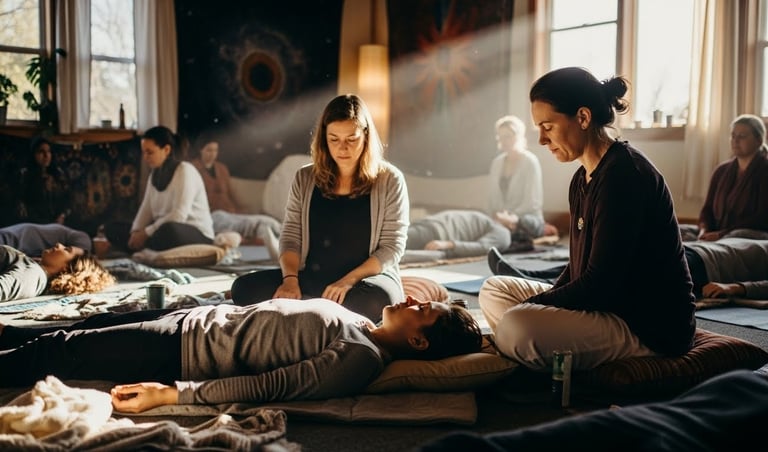

Developed by Stanislav Grof and Christina Grof, Holotropic Breathwork is a powerful technique that combines accelerated breathing with evocative music. It aims to access altered states of consciousness for healing and self-discovery.
2. Holotropic Breathwork
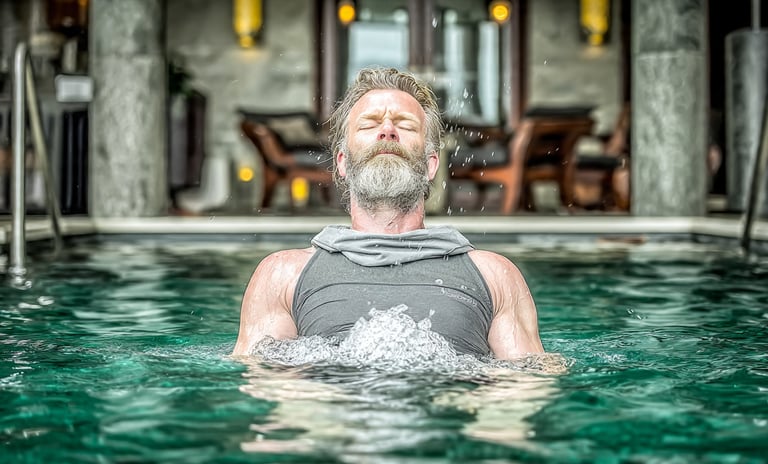
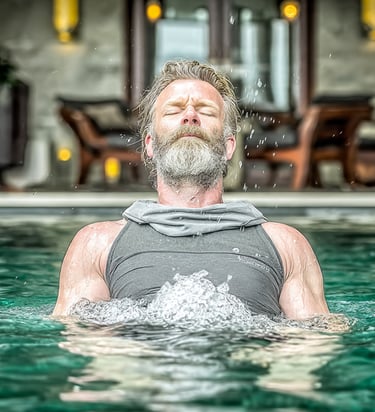
The Wim Hof Method is named after its creator, Wim Hof, known for his ability to withstand extreme cold. This method involves a combination of breathing exercises, cold exposure, and meditation. The breathing technique typically includes cycles of deep inhalation followed by breath retention.
3. Wim Hof Method
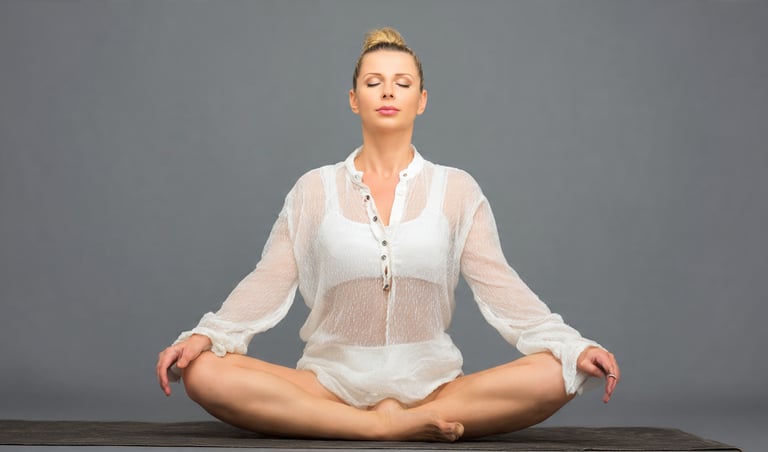
Box Breathing, also known as Square Breathing, is a simple yet effective technique often used to manage stress and improve focus. It involves inhaling, holding the breath, exhaling, and holding again, each for an equal count of time.
4. Box Breathing


Ratio Breathing is a mindful breathwork technique that involves setting specific timed counts for inhaling, holding (optional), and exhaling to calm the nervous system, reduce stress, and promote relaxation by balancing breath and activating the body's "rest and digest" response.
5. Ratio Breathing


Transformational Breathwork is designed to help individuals release emotional blockages and improve overall well-being. It involves controlled, conscious breathing patterns to facilitate personal transformation.
6. Transformational Breathwork
Benefits of Breathwork
Stress Reduction
Breathwork activates the parasympathetic nervous system, promoting relaxation and reducing stress levels. Techniques like Pranayama and Box Breathing are particularly effective in calming the mind.
Improved Mental Clarity
By increasing oxygen flow to the brain, breathwork enhances cognitive functions and mental clarity. Practices such as Nadi Shodhana and Wim Hof Method are known to boost concentration and focus.
Emotional Healing
Breathwork can help individuals access and release repressed emotions, leading to emotional healing and personal growth. Transformational Breathwork and Holotropic Breathwork are designed to facilitate this process.
Enhanced Physical Health
Regular breathwork can improve respiratory function, boost immune response, and increase energy levels. Techniques like Kapalabhati and Wim Hof Method contribute to overall physical vitality.
Better Sleep
Practicing breathwork before bedtime can promote restful sleep by calming the mind and body. Techniques like Bhramari and Box Breathing are useful for improving sleep quality.
Increased Self-Awareness
Breathwork encourages mindfulness and self-awareness, helping individuals connect more deeply with themselves. Holotropic Breathwork and Transformational Breathwork are particularly effective for self-exploration.
Breathwork is a versatile and powerful tool that can be tailored to individual needs and preferences. Whether seeking stress relief, emotional healing, or improved physical health, incorporating breathwork into daily practice can lead to profound and lasting benefits.
Breathwork offers numerous benefits for physical, mental, and emotional health. Here are some of the key advantages:


Benefits of Breathwork
Enhanced Physical Health
Regular breathwork can improve respiratory function, boost immune response, and increase energy levels. Techniques like Kapalabhati and Wim Hof Method contribute to overall physical vitality.
Better Sleep
Practicing breathwork before bedtime can promote restful sleep by calming the mind and body. Techniques like Bhramari and Box Breathing are useful for improving sleep quality.
Increased Self-Awareness
Breathwork encourages mindfulness and self-awareness, helping individuals connect more deeply with themselves. Holotropic Breathwork and Transformational Breathwork are particularly effective for self-exploration.
Breathwork offers numerous benefits for physical, mental, and emotional health. Here are some of the key advantages:


Stress Reduction
Breathwork activates the parasympathetic nervous system, promoting relaxation and reducing stress levels. Techniques like Pranayama and Box Breathing are particularly effective in calming the mind.
Improved Mental Clarity
By increasing oxygen flow to the brain, breathwork enhances cognitive functions and mental clarity. Practices such as Nadi Shodhana and Wim Hof Method are known to boost concentration and focus.
Emotional Healing
Breathwork can help individuals access and release repressed emotions, leading to emotional healing and personal growth. Transformational Breathwork and Holotropic Breathwork are designed to facilitate this process.
Breathwork is a versatile and powerful tool that can be tailored to individual needs and preferences. Whether seeking stress relief, emotional healing, or improved physical health, incorporating breathwork into daily practice can lead to profound and lasting benefits.
Contact
Tel: +1 (647) 332-3770
© 2023 by Mindscapes Academy. All rights reserved.
Email: info@mindscapesacademy.ca